 Ants
Understanding Our Tiny House Guests
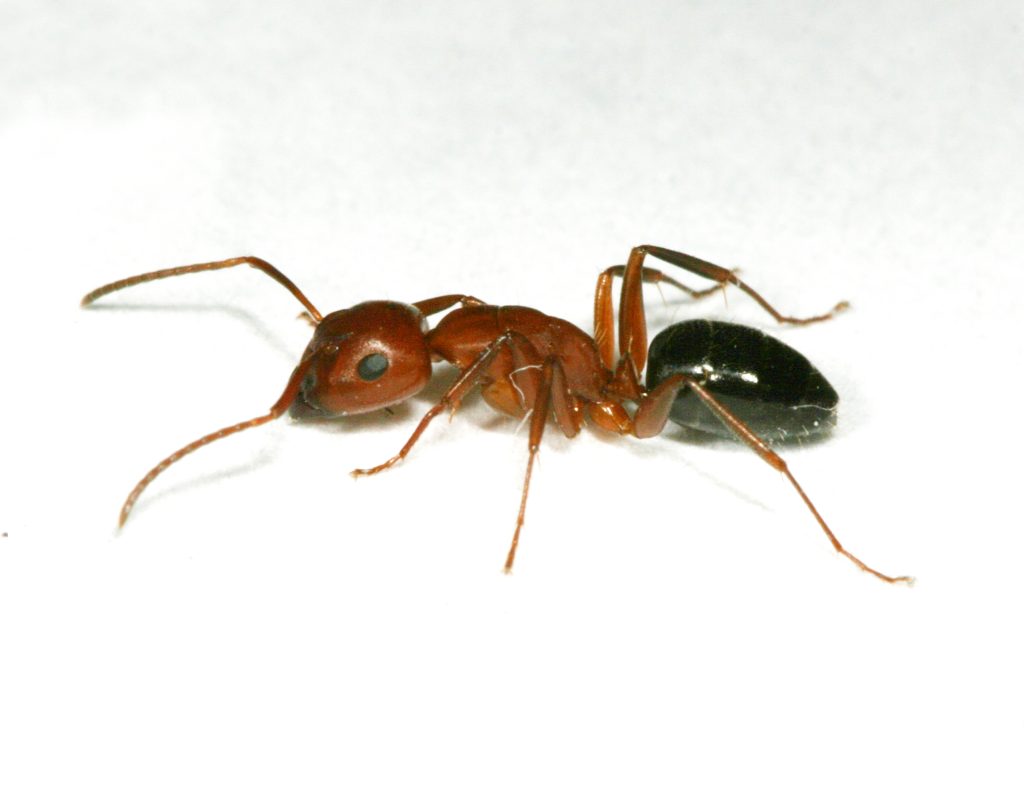
Ants are social insects that can be found in almost every ecosystem on Earth. While many species of ants are harmless and play essential roles in the environment, some can become pests when they invade homes and structures in search of food, water, or shelter. Here are some common signs of infestation.
Signs of Ant Infestation:
Visible Ants: The most obvious sign of an ant infestation is the presence of live ants, especially in areas where they’re not usually found. Common places include kitchens, pantries, and around food storage areas.
Ant Trails: Ants leave pheromone trails to communicate with other members of their colony. If you observe visible trails of ants, it may indicate a well-established colony and a consistent route to a food source.
Nesting Sites: Ants establish nests in various locations, depending on the species. Common nesting sites include soil, wall voids, under flooring, and in the structural wood of buildings. Carpenter ants, in particular, may nest in wood.
Damage to Plants: Certain ant species can damage plants in gardens by protecting aphids or scale insects that secrete honeydew. If you see ants crawling on plants or notice plant damage, it’s worth investigating for an infestation.
 Bed Bugs
Navigating the Basics for a Bug-Free Bedtime
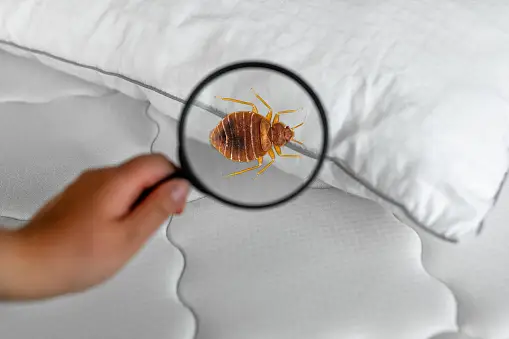
Bed bugs are small, reddish-brown insects that feed on the blood of humans and animals. While they are not known to transmit diseases, their bites can cause discomfort and allergic reactions in some individuals. Bed bugs are nocturnal and hide in cracks and crevices during the day, making them challenging to detect.
Signs of Bed Bugs Infestation:
Bite Marks: Bed bug bites often appear as small, itchy red welts in clusters or a line on exposed skin. Not everyone reacts to bed bug bites, so the presence of bites alone may not be conclusive evidence.
Tiny Blood Stains: After feeding, bed bugs may leave tiny blood stains on bed sheets or pillowcases. These stains are a result of accidental crushing of the bugs while sleeping.
Dark Spots and Smears: Bed bugs excrete partially digested blood, leaving behind dark spots or smears on bedding, mattresses, or nearby furniture. These spots are often concentrated in areas where bed bugs hide.
Musty Odor: A sweet, musty odor may be present in areas with a severe bed bug infestation. This odor is caused by pheromones released by the bugs.
Visible Bed Bugs: In advanced infestations, you may actually see bed bugs. They are flat, oval-shaped insects, about the size of an apple seed when fully grown. Younger bed bugs (nymphs) are smaller and lighter in color.
Eggshells and Shed Skins: Bed bugs molt as they grow, leaving behind empty eggshells and exoskeletons. These can often be found in areas where bed bugs hide, such as mattress seams, cracks, and crevices.
 Cockroaches
Dealing with Uninvited Roommates
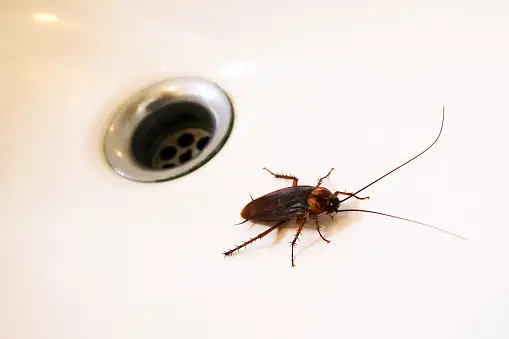
Cockroaches are resilient insects that thrive in various environments. They are nocturnal and tend to hide in dark, warm places during the day. Cockroach infestations can pose health risks as they are known to carry pathogens and trigger allergies.
Signs of Cockroaches Infestation:
Droppings: Small, black or brown droppings that resemble coffee grounds or pepper.
Musty Odour: A strong, unpleasant odour may be present in areas with a significant cockroach infestation.
Visible Roaches: Spotting live cockroaches, especially during the day, is a clear sign of infestation.
Damaged Items: Cockroaches may nibble on a variety of materials, including paper and fabrics.
Smear Marks: Greasy smear marks along walls and surfaces where cockroaches travel.
 Lizards
Welcome to the World of Our Wall-Crawling Friends
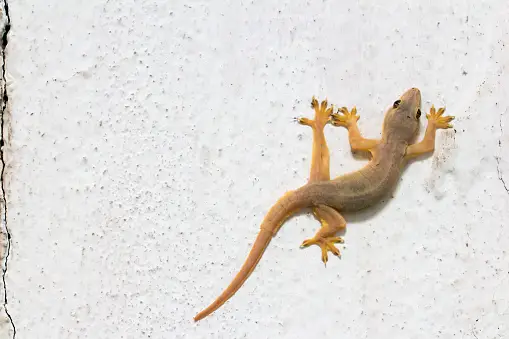
Lizards are natural pest controllers, as they feed on insects and spiders. While many find them harmless and beneficial, some people prefer not to have them indoors. Lizards are generally shy and tend to avoid human contact.
Signs of Bed Bugs Infestation:
Droppings: Small, elongated droppings that may be found near windowsills or other hiding spots.
Distinctive Appearance: Lizards are easily identifiable by their elongated bodies, scaly skin, and quick movements.
Insect Control: A reduction in insect and spider populations around the home can be a positive sign of lizard presence.
 Rats, Mice and Rodents
Dealing with Unwanted Furry Neighbours
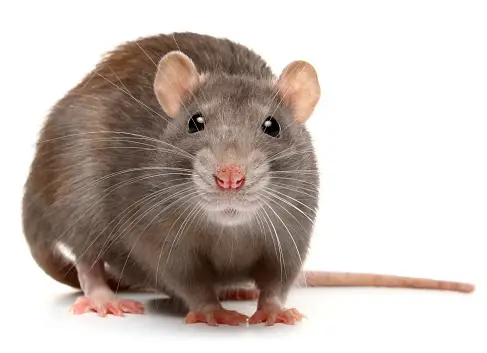
Rats and mice are common rodents that can pose health risks by spreading diseases and causing damage to property. They are adaptable and can enter homes through small openings.
Signs of Bed Bugs Infestation:
Droppings: Small, pellet-like droppings found along pathways or near food sources.
Gnaw Marks: Evidence of gnawing on food packaging, furniture, or structural elements.
Scurrying Sounds: Noises of scurrying or scratching, especially at night, may indicate rodent activity.
Visible Rodents: Spotting live rats or mice, especially during the day, is a clear sign of infestation.
Grease Marks: Dark, greasy marks along walls or baseboards where rodents frequently travel.
 Termites
Tiny but Troublesome Houseguests
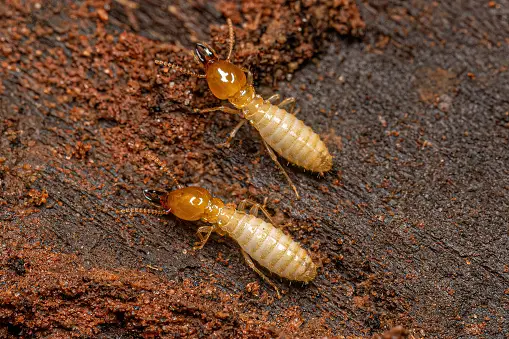
Termites are wood-destroying insects that can cause significant structural damage to homes. They often go unnoticed until the damage is severe, making regular inspections crucial for early detection.
Signs of Bed Bugs Infestation:
Mud Tubes: Tubes made of mud along walls, foundations, or wooden structures.
Swarmers: Flying termites (swarmers) emerging indoors, especially during the spring.
Wood Damage: Hollow-sounding or damaged wood, often with a maze-like pattern in severe cases.
Discarded Wings: Shed termite wings near windowsills, floors, or other entry points.
Frass (Termite Droppings): Tiny, pellet-like droppings found near termite galleries or exit holes.
Tightening Door Frames or Windows: Difficulty in opening or closing doors and windows due to termite damage.